

Introduction
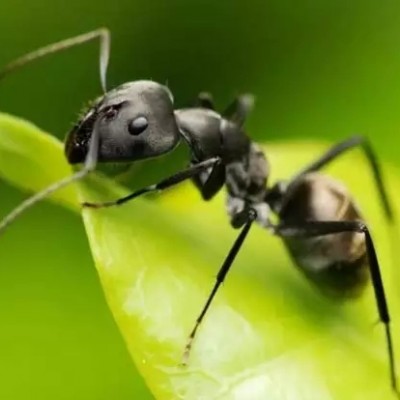
As natural predators, mushrooms are known for their unique ability to consume many kinds of organisms, including insects. This ability makes them an essential tool for pest control in agriculture and other fields. In this article, we will explore how mushrooms are effective at killing insects.
How do the mushrooms kill the insects?
Mushrooms have a variety of defense mechanisms to repel or kill predators, and they employ chemical compounds to do so. These compounds work either by interfering with insect development or by direct toxicity.
- Insect development interference: Some of the mushroom metabolites interfere with the development of insect larvae. For instance, destruxins, which are produced by the fungus metarhizium anisopliae, disrupt cell growth in insects, leading to their death. Similarly, cordycepin, found in Cordyceps species, impairs insect metabolism and physiological processes, thereby making it vulnerable to other environmental factors.
- Toxicity: Another method mushrooms use against pests is by directly poisoning them. Muscarine, a toxin present in the Amanita muscaria species, affects the nervous system of insects, leading to their death. Amanitin, another poison, can destroy an insect's liver and other internal organs after ingestion, making it lethal.
Applications of mushrooms in insect pest control
The use of mushrooms as natural control agents for insects has several advantages:
- Environmentally-friendly: Unlike chemical pesticides, using mushrooms for pest control doesn't harm the environment or contaminate soil and water systems. Unlike conventional pesticides, which tend to have negative effects on the environment and human health, mushrooms are a safe and natural way to control pests.
- Broad range effectiveness: Mushrooms are effective against a wide range of insects, making them a versatile and useful tool for pest management in agriculture or other fields.
- Easy to apply: The application of mushrooms for pest control is simple and doesn't require specialized equipment or technical knowledge. As mushroom spores can be formulated into sprays or mixed into soil; this makes it a feasible control mechanism even for small-scale farmers.
Conclusion
In conclusion, fungi, such as mushrooms, have a unique ability to control insect pests through their natural defense mechanism. The use of mushrooms as natural pest control agents has various advantages over chemical pesticides, which makes it a promising and sustainable approach to insect pest management.