Introduction
Plants can fall prey to diseases, pests and insects that cause harm to them. These organisms can damage the plant by causing wilting, leaf loss, or death. To protect them from these pests and diseases, farmers use various techniques to spray chemicals on them. However, it's important to be careful when spraying as this might end up damaging the environment or harming human beings.Types of Plants and Pests
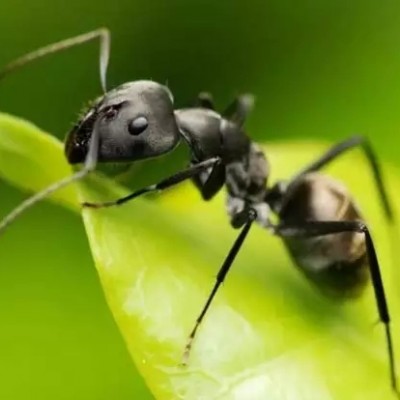
There are various types of plants, and they attract different types of pests and insects that may require different treatments. For example, roses are prone to aphids, while tomatoes are prone to spider mites. It's important to research and understand the needs of different plants and pests to select the appropriate treatment. Organic vs Synthetic Treatments
Farmers have a choice between organic or synthetic treatments. Organic treatments consist of non-toxic, natural treatments like neem oil, orange oil, and pyrethrin. They are less harsh and often safer to humans, pets, and the environment. Synthetic treatments consist of chemicals such as pesticides, herbicides, and fungicides. They are potent, inexpensive, but can result in unintended consequences like resistance and harmful side effects. However, when using either of the treatments, it's essential to apply them during the right season with the accurate dosage. How to Apply Chemicals Correctly
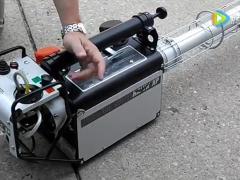
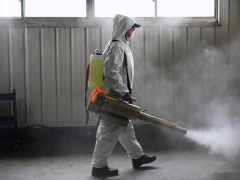
Applying the pesticides can be tricky since incorrect application can damage the environment and even the plant. Farmers should wear protective clothing, goggles and respirator masks when handling chemicals. Furthermore, ensure that the wind is calm, and the temperature is favorable to help achieve maximum efficacy. Ensure to read the label on the pesticide bottle, dilute it accurately, use clean water, mix the solution well before pouring it into the spraying apparatus, and follow the manufacturer's directions. When to Spray
Farmers should maintain a regular spray cycle. This helps to get rid of the pest population before it becomes difficult to control. It is also significant to spray during an insect's vulnerable growth stages, usually in the early morning or evening. The angle at which the chemical is sprayed should be low to enable the spray droplets to penetrate deep into the plant - this will reduce resistance and contribute to more efficient results.Conclusion
In conclusion, plants require various procedures to protect them from pests and insects. From organic to synthetic solutions, farmers have a considerable choice of treatments to apply. To achieve maximum efficacy, correct application procedures should be followed, like wearing protective clothing, reading labels, and diluting pesticides correctly. Additionally, timing is crucial to reduce resistance and control pest populations. Ultimately, when farmers follow the right methods, they can provide healthy fruits, vegetables or flowers, while still maintaining the health of the people and the environment.


 2023-05-29
IP属地 广东广州 腾讯云1560
2023-05-29
IP属地 广东广州 腾讯云1560